Buy Fruit Trees Online, Shipped to Your Door
Grasshopper Gardens is a family-run nursery in the Capital Region, and our fruit tree collection brings apples, cherries, pears, peaches, and plums to backyards across the country, all grown in our Gansevoort fields. Every variety here is matched to the cold winters and short growing season of upstate New York, so the variety you pick is one that will settle in and bear fruit for years. We deliver each tree at the right planting window, ready to go into the ground, with care instructions included.
A backyard fruit tree earns its keep. Spring flowers, summer shade, and a real harvest you can pick off the branch. Browse the different fruit varieties below, or read on to find the right tree fruit for your yard.
Apple Trees: A Capital Region Landscape Staple
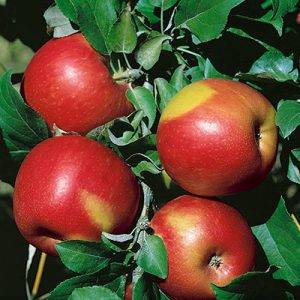
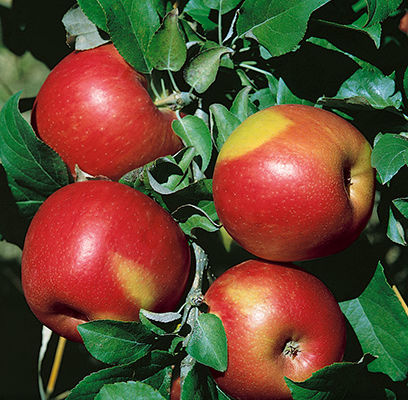
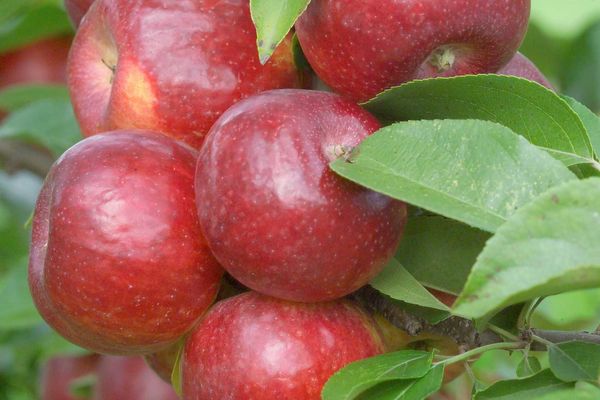
The apple tree is a landscape staple in upstate New York, and our selection leans toward varieties that handle the cold and shrug off common problems. McIntosh and Cortland are the local classics. Honeycrisp brings the crisp, sweet bite shoppers ask for by name. Granny Smith, Red Fuji, Sweet Sixteen, and KinderKrisp give you tart, crisp, and candy-sweet options. For low-spray growers, Freedom Apple offers real disease resistance and withstands apple scab, the fungal disease that troubles many apple trees in wet springs. Frostbite is one of the hardiest plants you can plant, holding up in the coldest pockets of the region.
Most of our apple trees grow on dwarf or semi-dwarf rootstock, so they stay smaller and easier to pick and prune than an old standard. The Three-Tier Espalier takes that idea further, trained flat against a fence or wall where space is tight. Plant at least two different varieties nearby for pollination, since most need a partner to set a full crop.
Cherry Trees: Sweet and Tart
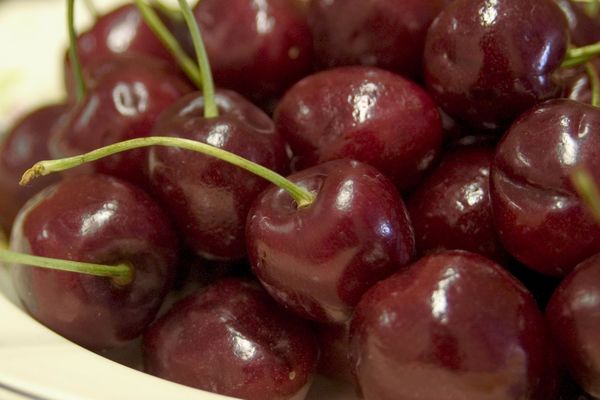
We carry both sides of the cherry family. For fresh eating, the sweet cherry is hard to beat, and Bing is the standard everyone knows, with the Sweet Cherry Pie variety close behind. A sweet cherry tree usually needs a second variety nearby to pollinate, so plan for a pair.
If you bake, the sour cherry is your tree. Montmorency is the classic tart cherry for pies and jam, and North Star is a naturally dwarf sour cherry that fits a small yard and pollinates itself. Both are reliable tart cherry producers in our climate. We also stock Chokecherry and Canada Red Select Cherry, two tough, ornamental cherry tree options that feed birds and handle rough sites. As stone fruit, every cherry tree we sell appreciates full sun and soil that drains well.

Pear Trees and Stone Fruit
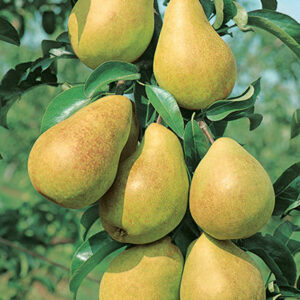
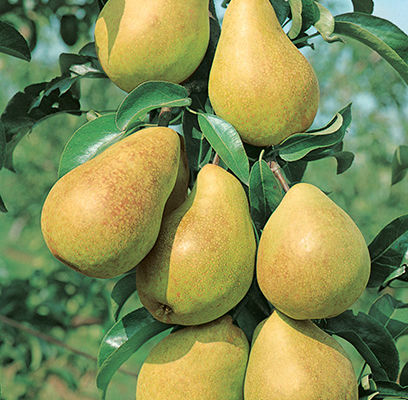
A pear tree is one of the most forgiving trees you can grow. Red Bartlett gives you the soft, juicy pear most people picture, and Luscious is a cold-hardy pear tree bred for the north with sweet, smooth fruit. Like most fruit, pears set a heavier crop when you plant a second pear tree of a different variety for cross-pollination.
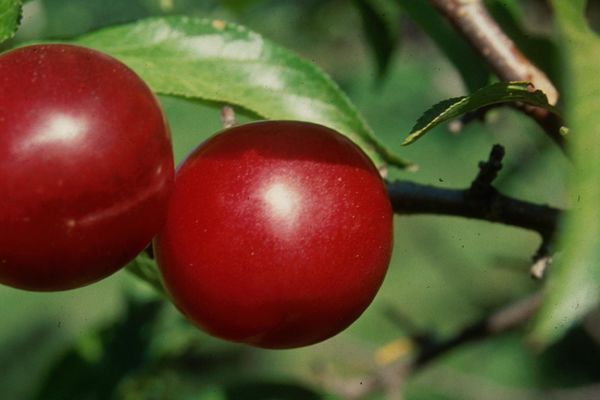
For more stone fruit, our peaches and plums add late-summer flavor. Contender and Reliance are the two hardiest peaches for upstate yards, both self-fruitful, so a single one will crop on its own. Toka plum brings spicy-sweet fruit and doubles as a strong pollinator for other plums. These stone fruit trees set their crop on the previous year’s growth, so a light, proper pruning each season keeps them productive year after year.


What Our Customers Are Saying
“Excellent work and always quick response to my questions. Best company in the tri-state area.”
“Grasshopper Gardens was the only company who promptly scheduled a visit and provided a timely quotation. Easy contract process and the guys did a terrific job. Anthony checked in with me through the entire install process to make sure everything was perfect. We had mulch refreshed, new plantings, lawn treatment and lawn renovation across 2 days. They even helped relocate irrigation Highly recommend!”
“The weed control has been great. Cody did a great job weeding. Spraying where it needed it and pulling out a few weeds close to some plants.”
FAQs
Late winter through early spring is the best window in our region, while the tree is still dormant and the ground is thawing. A tree planted then has months to establish roots before summer heat, and fall works well too, especially for container-grown stock. We time each shipment to land at your planting window, and Capital Region customers can also book our planting service.
It depends on the type and size. A dwarf fruit tree often starts to fruit in two to four years, while a standard can take four to seven, with peaches and sour cherries coming on earlier than apples and pears. Good sun, water, and annual pruning move things along.
Often, yes. Most apple, sweet cherry, and pear trees set a real crop only when a second variety is planted nearby for cross-pollination, so planting two different varieties helps. Sour cherry, peach, and most plum trees are self-fruitful and produce on their own.
Each product page lists the hardiness range, and we ship to USDA zones within our two-day transit range, shown on the map at checkout, so you can confirm a tree suits your area before you buy. Your tree arrives as a healthy young nursery tree, ready to plant, with care instructions in the box. In early spring, a dormant tree may still look bare, which is normal, and it leafs out once it is in the ground and the weather warms.
We stand behind every healthy tree we ship. If your tree arrives damaged or fails within our warranty window, send us a photo, and we will replace it or refund you. A fruit tree is a multi-year investment, and we want yours to take hold and produce for seasons to come.
Plant in early spring while the tree is still dormant, setting it in full sun and well-drained soil with the graft union two to three inches above the soil line. Backfill with native soil, water deeply, and add a ring of mulch kept off the trunk. After that, deep watering through the first two seasons, a yearly feeding with slow-release fertilizer, and a late-winter pruning keep your tree healthy and productive.`