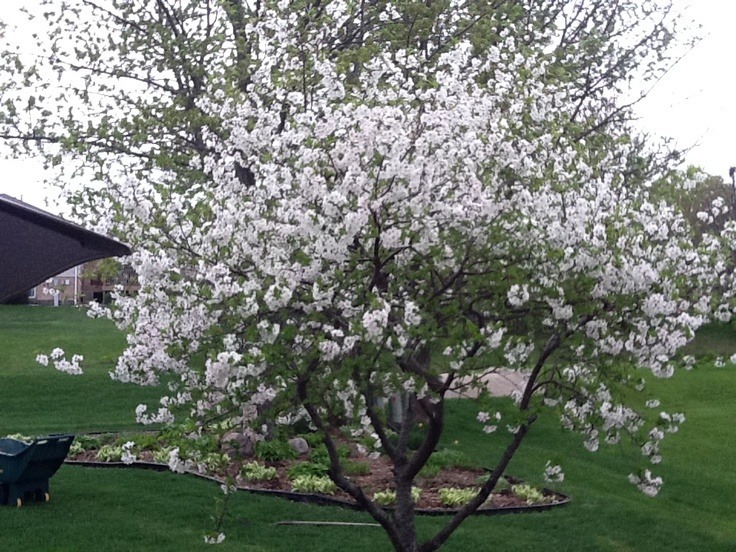
Picture late June in your backyard: bright red cherries hanging in clusters, ready to pick by the handful. A Montmorency cherry tree makes that a realistic goal for Capital Region homeowners, even with our cold winters and short, sharp temperature swings. This is the tart cherry used in most of the cherry pie, tart cherry juice, and tart cherry concentrate sold across the United States, and it happens to grow well right here in Upstate New York.
Growing one is more approachable than people expect. A Montmorency cherry tree is self-fertile, cold-hardy, and forgiving of a first-time grower’s mistakes. This guide walks through five things worth getting right: why this variety suits local yards, how to pick a planting spot, how to plant a Montmorency tree, how to care for it through the seasons, and how to harvest and use the fruit.
Why Montmorency Earns a Spot in Your Yard
A Tart Cherry with a Long Track Record
Montmorency is a tart cherry, also called a sour cherry (Prunus cerasus), that traces back to the Montmorency Valley in France. Montmorency tart cherries are the most popular tart variety in North America, prized for their bright red fruit, reliable production, and strong cold hardiness. The fruit has firm yellow flesh, clear juice, and a tart, tangy flavor with a pleasing acidity that bakes and cooks beautifully
Montmorency is a tart cherry, also called a sour cherry (Prunus cerasus), that traces back to the Montmorency Valley in France. It is the most popular tart cherry variety in North America, prized for its bright red fruit, reliable production, and excellent cold hardiness. The fruit has firm yellow flesh, clear juice, and a tart, tangy flavor with a pleasing acidity that bakes and cooks beautifully.
Here’s how it compares to a sweet cherry at a glance:
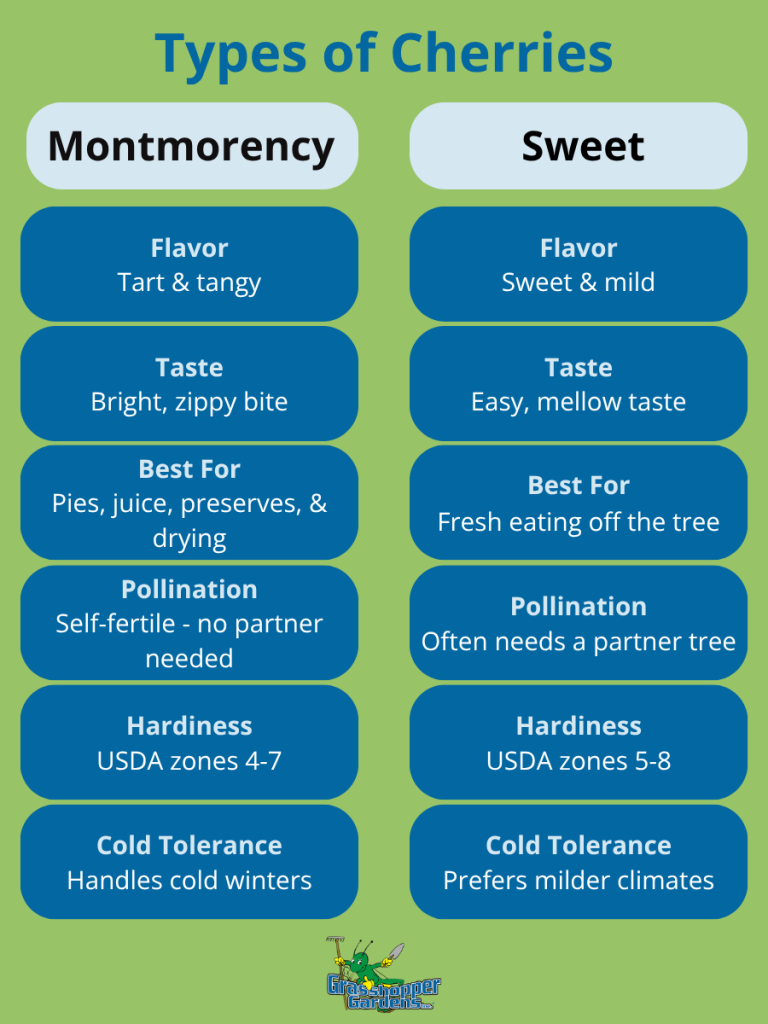
How Montmorency Compares to Sweet Cherries
Montmorency is a tart cherry, not a sweet one. Montmorencys have a bright, tangy bite that holds its own against sugar instead of fading out when cooked. It’s also tougher than most sweet cherries, reliably hardy across USDA zones 4 through 7, while sweet types usually want zones 5 through 8 and milder winters, so if your yard sees hard freezes, that extra cold tolerance matters. And one tree is enough to get fruit: most sweet cherries need a pollination partner, but Montmorency is self-fertile and produces on its own.
The payoff goes past pie. Montmorency cherries work for fresh eating, baking, jams, and drying, and they’re the basis for tart cherry juice and cherry juice concentrate. That concentrate is sold as a dietary supplement, and the health benefits people point to include exercise recovery and antioxidants that help the body manage oxidative damage. For a homeowner, one tree is enough to get fruit: most sweet cherries need a pollination partner, but Montmorency is self-fertile and produces on its own, though an additional tree nearby will raise your yield.
How to Grow Your Montmorency Cherry Trees
Step 1: Pick the Right Spot
Assess The Sun and Soil
Sunlight comes first. Montmorency wants full sun, meaning six to eight hours of direct light a day. Soil matters just as much. These trees need well-drained soil with a pH around 6.0 to 7.0, and they sulk in heavy, soggy ground. If water pools in a spot after a rainstorm, choose somewhere else or improve the drainage before planting.
Know Your Zone and Chill Hours
Our climate is on your side here. Montmorency is hardy in USDA zones 4 to 7. After the 2023 hardiness map update, Albany and much of the Capital Region sit in zone 6a, while outlying parts of Saratoga, Warren, and Washington counties run cooler at 5a to 5b. Every one of those falls inside the tree’s comfortable range. The variety also needs about 700 chill hours, the stretch of winter cold that triggers fruiting, and our winters deliver that without trouble.
Give It Room to Breathe
Give the tree room. A standard Montmorency reaches 15 to 20 feet tall and wide, so space standard trees 20 to 25 feet apart. Dwarf rootstock options stay smaller and can sit 8 to 10 feet apart, which suits tighter Capital Region lots. Good spacing keeps air moving through the canopy, and as with most fruit trees, that airflow lowers the risk of disease later on.
Step 2: Plant Your Cherry Tree
Time It Right
Plant your cherry tree in spring, once the soil is workable and the hard frosts have passed, which in our area means after the early-May frost date. Spring planting gives the roots a full season to establish before their first Upstate winter.
Set the Root Ball
Dig a hole about twice as wide as the root ball and just as deep, so the top of the root ball sits level with the surrounding soil. Loosen any circling roots around the outside, set the tree in, then backfill with the native soil and firm it gently to remove air pockets.
Water It In
Water deeply right after planting and keep the soil evenly moist through the first season. Add a few inches of mulch around the base, pulled back from the trunk so it doesn’t trap moisture against the bark.

For full landscaping support, including tree planting and yard design tips, Grasshopper Gardens can handle the setup and maintenance for you.
Caring for Your Tree Through the Seasons
Water, Feed, Mulch
Water steadily through the first year while roots establish, and increase attention during dry spells and fruit development. A light spring feeding supports growth, and refreshing mulch yearly helps retain moisture and suppress weeds. Young trees need more care, while established Montmorency cherries are fairly low-maintenance.
Pruning for Shape and Airflow
Prune in late winter, before buds break, to remove dead or crossing branches and open the center of the tree. An open canopy improves light and air circulation, boosting fruit production and reducing disease. Keep cuts clean and tools sharp for the best results.
Watching for Trouble
Monitor for local hazards like bacterial canker; proper airflow and dry-weather pruning help prevent it. Protect young trunks from frost cracking by wrapping them during early winters. As harvest nears, netting can keep birds from eating your fruit.
For ongoing care and lawn & garden maintenance, Grasshopper Gardens offers seasonal programs to keep trees healthy.
Harvesting and Putting Your Cherries to Work
Knowing When They’re Ready
Montmorency ripens around late June here. You’ll know the fruit is ready when the cherries turn a deep, bright red and pull free from the stem with a gentle tug. Taste one; ripe Montmorency is tart with just enough sweetness behind it. A mature tree produces generously, so plan for more than you can eat fresh.
Putting the Harvest to Use
That’s where the variety shines. That concentrated cherry flavor is why Montmorency cherries go into pie, jam, and preserves beyond fresh eating, freeze well for winter baking, churn into homemade ice cream, and dry into dried cherries for snacking. By juicing them, you will have the makings of the tart cherry juice and concentrate people buy at a premium. One tree in the yard can cover a season of baking and stock the freezer besides.
Your Backyard Cherry Harvest Starts Here
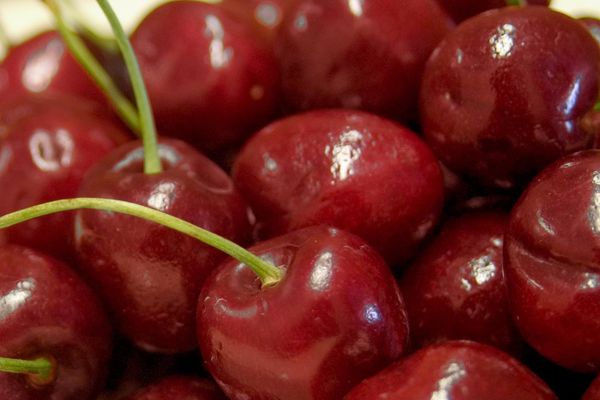
Growing Montmorency cherries comes down to five steps: choosing a variety built for our climate, planting it in a sunny, well-drained spot, getting a tree established in spring, caring for it through the seasons, and picking the fruit in late June. None of it requires a green thumb, just a little planning and steady follow-through.
Grasshopper Gardens has helped Capital Region homeowners build beautiful, productive yards since 1992, and a tart cherry tree is a satisfying place to start. Order Montmorency cherry trees through our nursery and online store, or reach out for a consultation if you’d like our team to plant and care for one as part of your landscape, and we’ll help your backyard harvest get off to a strong start.