Shade Tree
Showing 41–60 of 107 resultsSorted by popularity
-
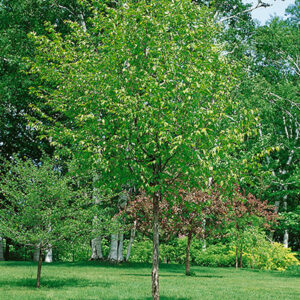
Ironwood
$361.00 -

New Horizon Elm
Starting at $411.00 -

Discovery Elm
$1,123.00 -

Chokecherry
$286.00 -
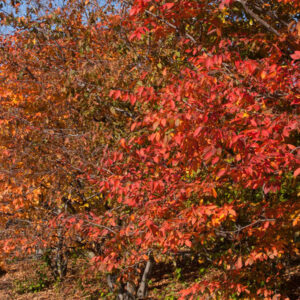
Blue Beech
Starting at $323.00 -
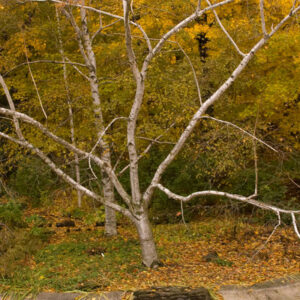
Paper Birch-Cluster
Starting at $298.99 -

Exclamation Planetree
Starting at $573.00 -

Bloodgood Planetree
Starting at $573.00 -
Sale!
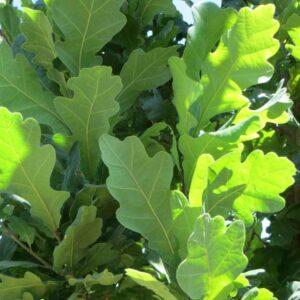
English Pyramidal-Fastigiata Oak
Starting at $211.00 -
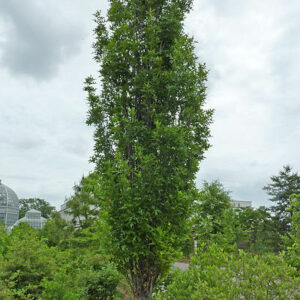
Green Pillar Pin Oak
$373.00 -
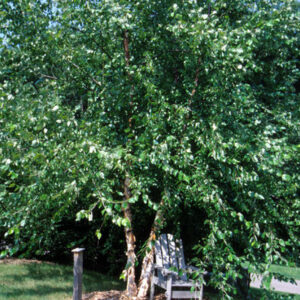
River Birch-Single Stem
Starting at $336.00 -

Capital Pear
$361.00 -

Worplesdon Sweetgum
Starting at $286.00 -

Purple Catalpa
$311.00 -

Matador Maple
Starting at $280.00 -
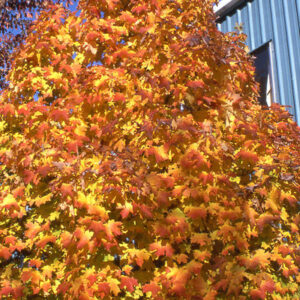
Apollo Sugar Maple
$298.00 -

Ruby Tears Weeping Crabapple
$223.00 -

New Harmony Elm
$623.00 -

Red Baron Crabapple
$161.00 -

Red Jewel Crabapple
Starting at $161.00
Shade Trees That Cool Your Yard for Decades
A well-placed shade tree does more for your property than almost any other planting. It cools your home, lowers summer energy bills, filters air pollution, and adds value that compounds every year the canopy grows. Grasshopper Gardens grows and ships shade trees straight out of our Capital Region fields, with tree species suited to every soil type, lot size, and timeline. Order your new tree online, and we’ll deliver it at the right planting window for your zone.
Fast-Growing Shade Trees for Quick Canopy
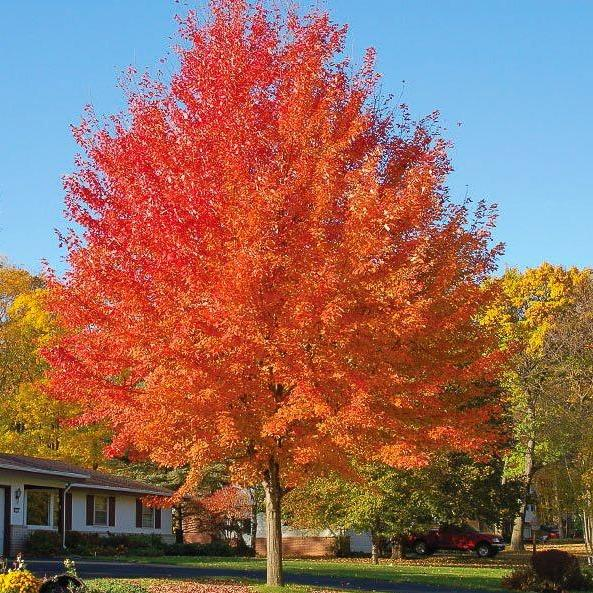
Few things change a bare yard faster than a shade tree that grows at 3 feet a year. Our fast-growing shade trees, including the Autumn Blaze maple with its brilliant orange-red fall color and the Heritage river birch with its peeling cinnamon bark, deliver real shade within a few seasons. These trees work beautifully as a living privacy screen along a property line or on the west side of the house, where the canopy blocks the hottest afternoon sun.
Shop Autumn Blaze Maple + Heritage River Birch Trees
Classic Hardwoods Built for the Northeast
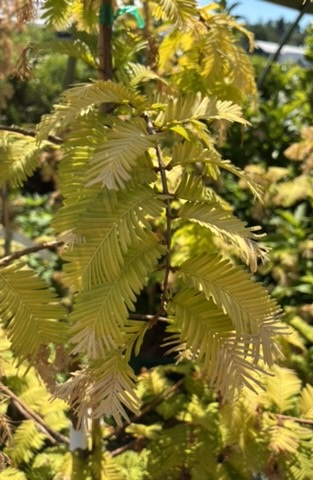
Native trees earned their place here long before garden centers existed, and they remain the toughest, lowest-maintenance choices you can plant. Our classic hardwoods include the northern red oak with dense canopy and dependable fall color and the disease-resistant American Princeton elm with a classic vase shape. They shrug off Capital Region winters and tolerate air pollution. These native trees work beautifully as lawn anchors or street trees, feeding local birds and pollinators for generations.
Shop Northern Red Oak + American Princeton Elm Trees

Columnar Shade Trees for Smaller Spaces
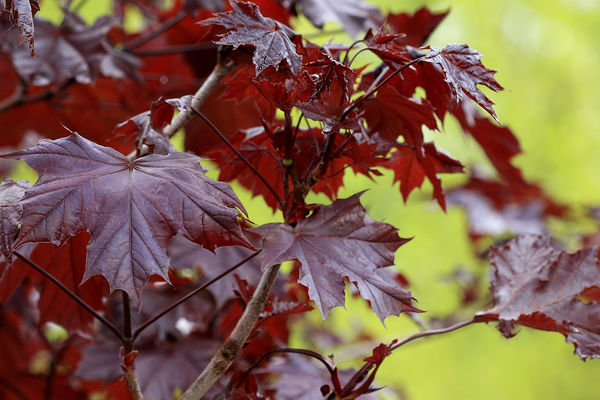
Tight side yards and driveway strips can still hold real shade. The Crimson Sentry maple carries deep purple foliage on an upright frame only 15 feet wide, while the Green Pillar pin oak climbs to 50 feet in a slim column that fits between a walkway and a property line. Both are slow-growing trees that stay in scale for decades, so the shade arrives without crowding the house, the patio, or the neighbors.
Shop Crimson Sentry Maple + Green Pillar Pin Oak Trees




What Our Customers Are Saying
This company and its representatives are professional in every way. From office staff to onsite service personnel. They really do try to provide prompt service.
Respectful staff, careful with work, my lawn looks great!
Excellent service, with flexible scheduling, reasonable pricing and prompt responses to inquiries.
Frequently Asked Questions
Aim for early spring in the Capital Region, after the ground thaws but before buds break. A dormant tree sends its energy into root growth instead of leaves, so it anchors in well ahead of July heat. Fall is a solid second choice for container-grown stock, since cool air and warm soil favor roots. We schedule every delivery around the correct window for your zone, and local customers can have our crew handle the tree planting itself.
Autumn Blaze maple, Heritage river birch, and northern catalpa are among the quickest in the collection, often adding 2 to 3 feet per year once established, and the catalpa follows up with showy flowers in early summer. Honeylocust varieties like Skyline and Shademaster grow nearly as fast and cast light, dappled shade that keeps grass alive underneath. If speed matters most, plant a fast grower for the near term and a longer-lived oak nearby to take over in the decades ahead.
Red maple, river birch,swamp white oak, and hackberry all tolerate heavy clay soil, and American elm cultivars are famously adaptable. The bigger risk in clay is soil compaction, which starves roots of oxygen. Dig the hole two to three times wider than the root ball, rough up the sides, and mulch the surface instead of burying amendments deep in the hole.
Plan on a slow, deep soaking once or twice a week through the first two growing seasons, roughly 10 gallons per inch of trunk diameter each time. Spread a 2- to 3-inch mulch ring out to the drip line and pull it back a few inches off the bark. Hold off on major pruning until year two, and stake only if the site is windy, removing the stakes after one season.
The benefits of trees stack up fast. Mature shade trees can cut summer cooling costs by 25 percent or more, filter air pollution, slow stormwater runoff, and raise property values. It’s why so many towns run public shade tree programs and host a community planting event each spring: street trees pay their neighborhoods back for generations.
Every tree leaves our nursery inspected and healthy. If yours shows up damaged in transit or declines during the warranty period, snap a photo and reach out. Our team will review it and either ship a replacement or issue a refund.
Nursery-grown. Hand-picked. Shipped healthy.
30+ years family-owned | Fast shipping | Expert planting support